


advances in gene/gene-editing-based therapies for Acute Myeloid Leukemia

30. Sept. 2025
1 Min. Lesezeit
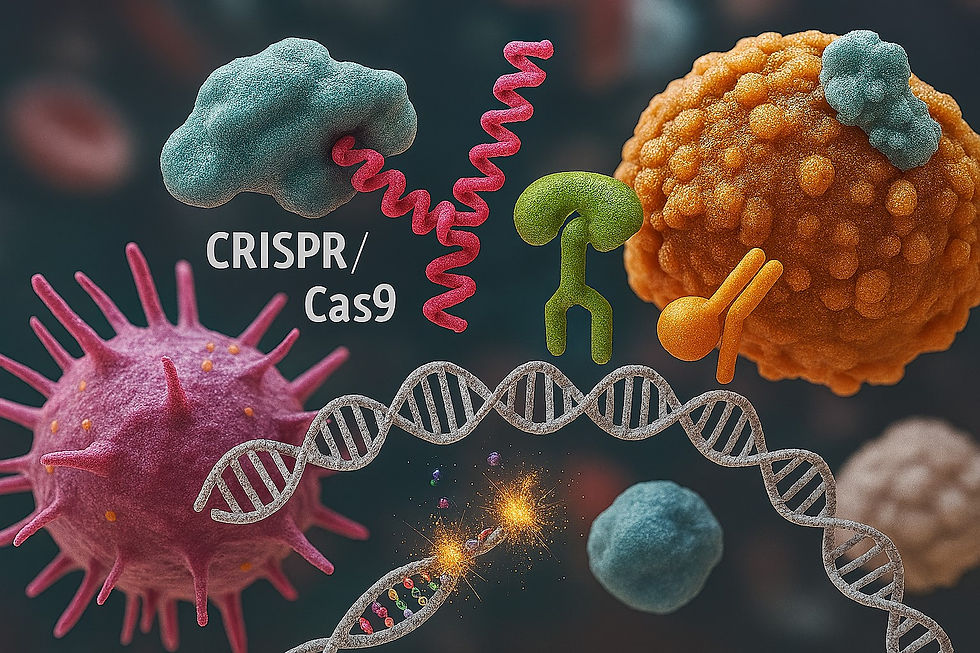
This scene illustrates CRISPR/Cas9-mediated gene editing in an AML cell:
The foreground shows a leukemic cell with a rough, abnormal surface, harboring mutated genes (e.g., FLT3, NPM1, IDH1/2) in its genome—represented by DNA double helices.
Above, a Cas9 nuclease complexed with guide RNA is poised for editing, demonstrating recognition and targeting of the mutant sequence.
Below, edited hematopoietic stem/progenitor cells with a healthy, smooth appearance are producing normal, functioning blood cells.


Gene therapy for acute myeloid leukemia (AML) is rapidly evolving, with breakthroughs that are reshaping how we think about treating this aggressive blood cancer. Here's a comprehensive look at the latest advances:
Key Advances in Gene Therapy for AML
1. CRISPR/Cas9 Gene Editing
Precision Targeting: CRISPR is being used to edit genes in hematopoietic stem cells and immune cells to either correct mutations or enhance anti-leukemic activity.
CD33/CD123 Knockout: These surface markers are common on AML cells. Editing them out of healthy cells allows for targeted therapies (like CAR-T) that spare normal tissue.
TP53 and FLT3 Mutations: CRISPR is also being explored to correct high-risk mutations directly in leukemic cells.
2. CAR-T and TCR Therapies
CAR-T Cells for AML: While…